
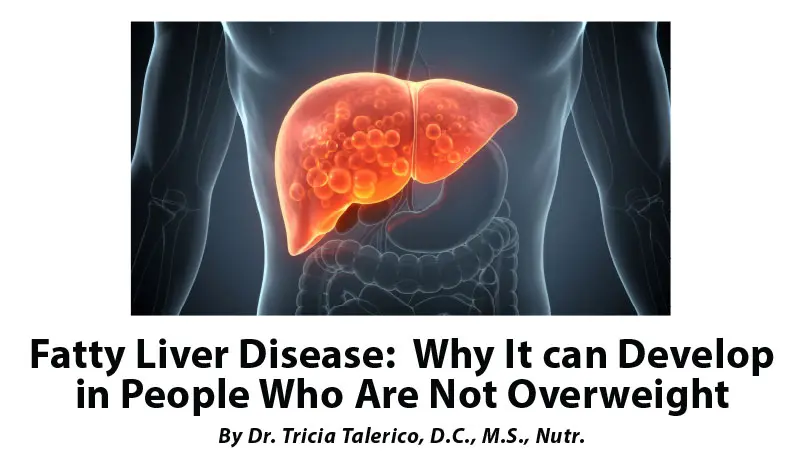
Many people associate fatty liver disease with being overweight, but did you know it can also affect individuals who maintain a healthy weight? Fatty liver disease can develop in people with a normal body mass index (BMI), often due to underlying metabolic issues that aren’t immediately visible.
This condition, known as lean metabolic dysfunction-associated steatotic liver disease (MASLD), occurs when excess fat accumulates in the liver. Because symptoms may not be noticeable, the condition can progress silently, potentially leading to inflammation, liver scarring, or more serious complications.
What Causes Fatty Liver Disease in Lean Individuals?
Several factors can contribute to fat accumulation in the liver, regardless of body weight:
-
Insulin Resistance: Even individuals at a healthy weight can experience insulin resistance, which can contribute to increased fat storage in the liver.
-
Dietary Habits: Diets high in refined carbohydrates, added sugars, sugary beverages, and processed foods can increase liver fat.
-
Genetics: Certain genetic variations may increase susceptibility to fatty liver disease.
-
Visceral Fat: Excess fat surrounding internal organs can contribute to inflammation and metabolic dysfunction, even in people with a normal BMI.
-
Lifestyle Factors: Physical inactivity, poor sleep, hormonal changes, certain medications, and excessive alcohol consumption can also play a role.
Can Fatty Liver Disease Be Reversed?
The good news is that fatty liver disease can often improve, particularly when identified early. The key is focusing on metabolic health rather than weight loss alone.
Dr. Tricia Talerico recommends incorporating more protein and fiber, reducing added sugars and refined carbohydrates, and following a Mediterranean-style diet rich in vegetables, olive oil, fish, nuts, and legumes.
Building muscle, staying physically active, limiting alcohol, and monitoring metabolic health markers such as blood sugar, cholesterol, and triglycerides are also important steps.
The Bottom Line: Fatty liver disease isn’t just about body weight. Understanding your metabolic health and identifying potential risk factors early can make a significant difference in protecting your liver and supporting long-term wellness.