
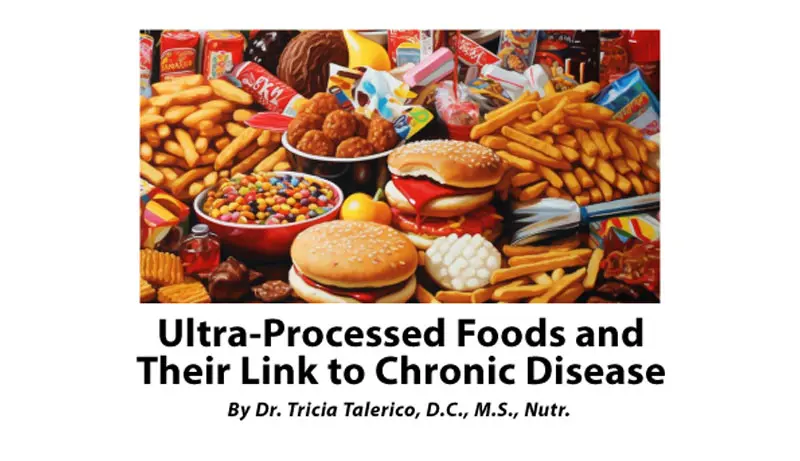
Ultra-processed foods (UPFs) now make up more than half of daily calorie intake for many Americans — and they’re not always easy to spot. Think sugary cereals, packaged snacks, soda, fast food, and frozen meals. Even “vegan” doesn’t mean healthy: many vegan convenience foods are just as ultra-processed, often loaded with refined grains, added sugars, seed oils, and additives.
Research increasingly links high UPF consumption to obesity, type 2 diabetes, cardiovascular disease, certain cancers, and depression. Part of the problem is nutritional — UPFs tend to be high in sugar, unhealthy fat, sodium, and calories while lacking fiber, vitamins, and minerals. But the processing itself may also play a role, disrupting appetite regulation so people naturally eat more, and potentially harming gut health and increasing inflammation.
The fix doesn’t have to be extreme. Swapping in whole or minimally-processed foods — fruits, vegetables, legumes, nuts, whole grains, lean proteins — can make a real difference. Dr. Talerico’s tip: shop the outer aisles of the grocery store, where the whole foods live.