
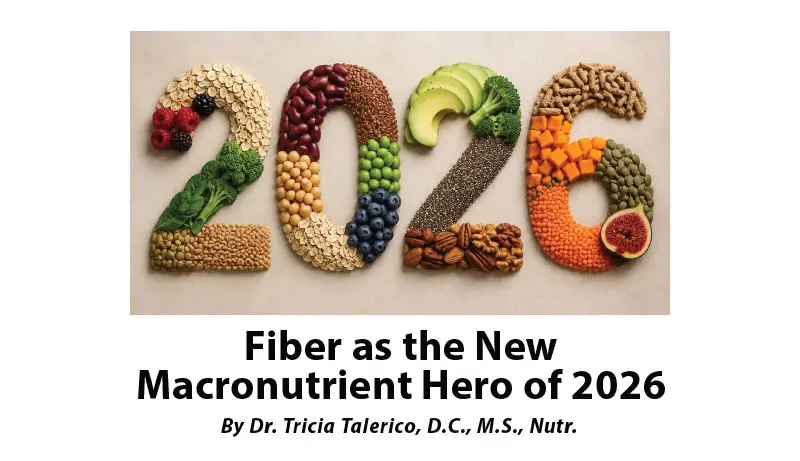
For years, nutrition trends have focused on protein, carbohydrates, and fat. But in 2026, fiber is taking center stage as one of the most important nutrients for overall health. Once overlooked, fiber is now being recognized for its powerful effects on digestion, metabolism, heart health, weight management, and even mental well-being.
Unlike traditional macronutrients, fiber is not digested for calories. Instead, it supports the digestive tract and nourishes the beneficial bacteria in the gut microbiome. These healthy gut bacteria produce compounds that help reduce inflammation, strengthen immune function, and support long-term wellness.
Fiber also plays a major role in blood sugar control and metabolic health. Soluble fiber slows glucose absorption, helping to stabilize blood sugar levels and prevent energy crashes. This makes fiber-rich foods especially beneficial for individuals concerned about insulin resistance, diabetes, or maintaining steady energy throughout the day.
Another reason fiber is gaining attention is its connection to weight management. High-fiber foods help increase fullness and satiety, making it easier to feel satisfied with fewer calories. Fiber also encourages slower eating and healthier digestion, providing a natural alternative to restrictive dieting trends.
Research continues to show that diets high in fiber may lower LDL cholesterol, reduce blood pressure, and decrease the risk of cardiovascular disease. Emerging studies also suggest a strong connection between gut health and brain health, with fiber potentially supporting mood, cognitive function, and reduced anxiety through the gut-brain axis.
Despite these benefits, many people still consume far less than the recommended 25 grams of fiber per day. Increasing intake through vegetables, fruits, legumes, whole grains, and quality fiber supplements can help support better overall health.
As we move through 2026, fiber is no longer just a small detail on nutrition labels—it’s becoming a foundational part of healthy living.