
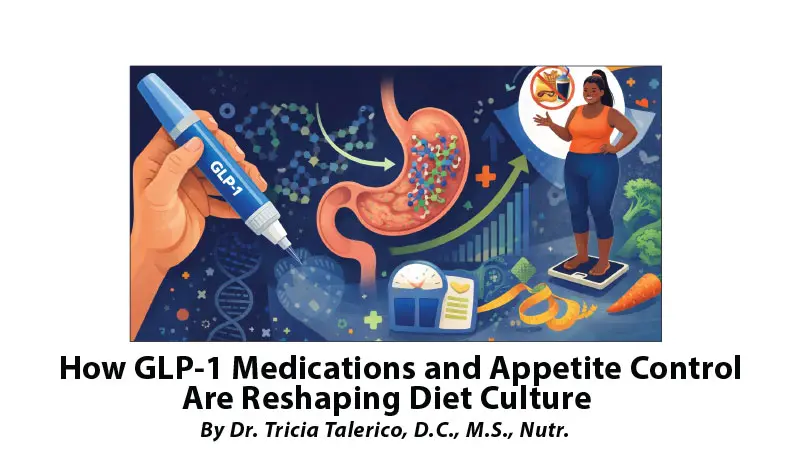
GLP-1 medications such as Ozempic, Wegovy, and Mounjaro are rapidly transforming the way we think about weight management, appetite, and diet culture. Originally developed for type 2 diabetes, these medications are now widely used for weight loss because of their powerful effects on hunger and fullness.
GLP-1 is a natural hormone produced in the gut after eating. It helps signal the brain that you are full, slows stomach emptying, and supports healthy blood sugar regulation. GLP-1 medications mimic this natural process, helping people feel satisfied with smaller portions while reducing persistent cravings and “food noise.”
For decades, diet culture framed appetite as a willpower issue. People struggling with weight were often told to simply eat less and ignore cravings. This newer understanding shifts the conversation toward biology—recognizing that hunger is influenced by hormones, stress, sleep, genetics, metabolic health, and ultra-processed diets.
However, these medications are not a magic solution. Long-term success depends on pairing them with sustainable habits such as:
• Prioritizing protein at every meal
• Maintaining regular movement and exercise
• Choosing minimally processed foods
• Managing sleep and stress
• Supporting adequate fiber and micronutrient intake
Without proper nutrition support, some individuals may unintentionally lose lean muscle mass or develop nutrient deficiencies. Appetite can also return when the medication is stopped, making it essential to build lasting lifestyle strategies alongside treatment.
Ultimately, GLP-1 medications are helping reshape weight loss conversations from blame and restriction to a more compassionate, science-based understanding of appetite and metabolism.