
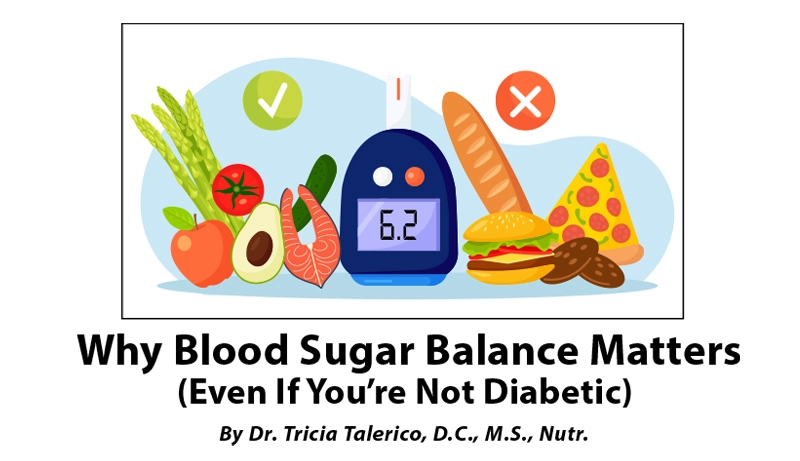
When most people think about blood sugar, they assume it’s only important if they have diabetes. In reality, blood sugar balance affects everyone, especially women—impacting energy, mood, hormones, weight, and long-term metabolic health.
Blood sugar refers to the amount of glucose in the bloodstream. After eating, glucose rises, insulin is released, and cells use that glucose for energy. Problems begin when blood sugar spikes too high or too frequently and then crashes too low. Over time, this pattern can lead to insulin resistance, weight gain, inflammation, hormonal imbalance, and eventually type 2 diabetes.
Common signs of poor blood sugar balance include:
-
Mid-afternoon energy crashes
-
Irritability when hungry
-
Strong sugar or carb cravings
-
Brain fog
-
Difficulty losing weight
For women, blood sugar stability is especially critical. Fluctuations can worsen PMS, perimenopause and menopause symptoms, anxiety, fatigue, and stress response. Cortisol (the body’s primary stress hormone) and insulin are closely connected—when blood sugar drops too low, cortisol rises, placing additional stress on the body.
The good news is that small, consistent nutrition habits can make a big difference. Pairing carbohydrates with protein, healthy fats, and fiber at every meal helps prevent spikes and crashes. Eating regular meals, prioritizing protein at breakfast, reducing ultra-processed foods, and choosing whole-food carbohydrates like vegetables, legumes, and whole grains all support steadier energy and focus.
Blood sugar balance isn’t about perfection or restriction—it’s about giving your body steady fuel so you feel calm, energized, and resilient every day.