
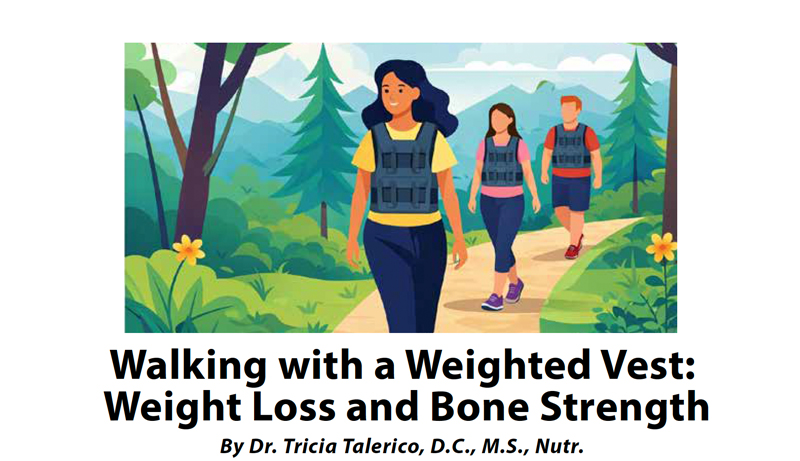
For many women, walking is the foundation of sustainable exercise—it’s low impact, accessible, and easy to maintain long term. However, as women move into their late 30s and beyond, traditional walking may no longer provide enough stimulus to significantly improve body composition or bone density. This is due to natural declines in muscle mass and estrogen levels.
Adding a weighted vest introduces progressive overload, transforming walking into a highly effective strategy for fat loss, muscle preservation, and skeletal health. From a metabolic standpoint, external loading increases energy expenditure by raising heart rate, oxygen consumption, and muscle recruitment—resulting in a greater caloric burn without the joint stress of high-impact exercise.
Weighted walking also improves insulin sensitivity and fat oxidation, making it especially beneficial for women managing weight, blood sugar, or metabolic health. Unlike traditional cardio, it helps preserve lean muscle mass during weight loss by engaging large muscle groups including the glutes, quadriceps, hamstrings, calves, spinal stabilizers, and deep core muscles. Maintaining muscle is essential for sustaining a healthy metabolic rate and preventing weight regain.
Bone health is where weighted vests truly shine. Bones respond to mechanical strain through mechanotransduction, stimulating osteoblast activity and bone formation. This is particularly important during peri- and post-menopause, when declining estrogen accelerates bone loss. Weighted walking safely increases ground-reaction forces, targeting vulnerable areas such as the hips, spine, and lower extremities—key sites for osteopenia and osteoporosis.
Additional benefits include improved cardiovascular fitness, better posture, enhanced core stability, and balance. To implement safely, begin with a vest weighing 5–10% of body weight, focus on upright posture and natural stride, and progress gradually.
Weighted-vest walking bridges the gap between cardio and resistance training, offering women a practical, science-based way to protect muscle, strengthen bones, and support long-term health—one step at a time.